Okwuta Audu Jos
Plateau former Secretary to Goverment Professor Shedrack Best has declared that ethnicity and religion if not properly used can lead to conflicts when it becomes a basis for political, economic, or territorial competition.
According to him, ethnicity or religion, have often been used to differentiate between individuals and communities.
Professor Best in a thought-provoking perspective on ethnicity and religion at Samuel Kwamkur foundation program organised to mark this year’s International Peace Day in Jos,.
Professor Best delved into the historical context of identity and the role it has played in human history.
Best pointed out that identities, whether on the basis of ethnicity or religion, have often been used to differentiate individuals and communities.
Prof. Best explained that ethnicity is rooted in shared cultural traits, ancestry, historical experiences, and myths of descent.
He noted that religion serves as a powerful identity, but however saId its role in conflicts and violence has been a subject of debate. highlighted that religion can lead to conflicts when it becomes a basis for political, economic, or territorial competition.
Best highlighted that religion can lead to conflicts when it becomes a basis for political, economic, or territorial competition.
In the context of Africa, Prof. Gaya discussed ethnic conflicts and their historical background, including conflicts related to state-building and ideological conflicts during the Cold War era.
He pointed out that Nigeria, with its diverse ethnic and religious landscape, faces unique challenges related to ethnicity and religion.
He stressed that Nigeria has 374 ethnic groups, over 500 languages, and two dominant religions, making competition for resources based on ethnicity and religion prevalent.
He highlighted the influence of religious and ethnic boundaries on the dynamics of conflict and peace in different regions of Nigeria.
Prof. Gaya acknowledged that religion and ethnicity are not inherently divisive but are often exploited by selfish interests and politicians seeking to divide communities for their gain.
He emphasized the need for the state to play a moderating role in promoting unity and discouraging divisive narratives.
According to him, a significant effort should be made to promote peace and unity in Nigeria.
He commended the Kwamkur Samuel Foundation and Justice Peace Development for organizing the 2023 International Peace Day Outing.
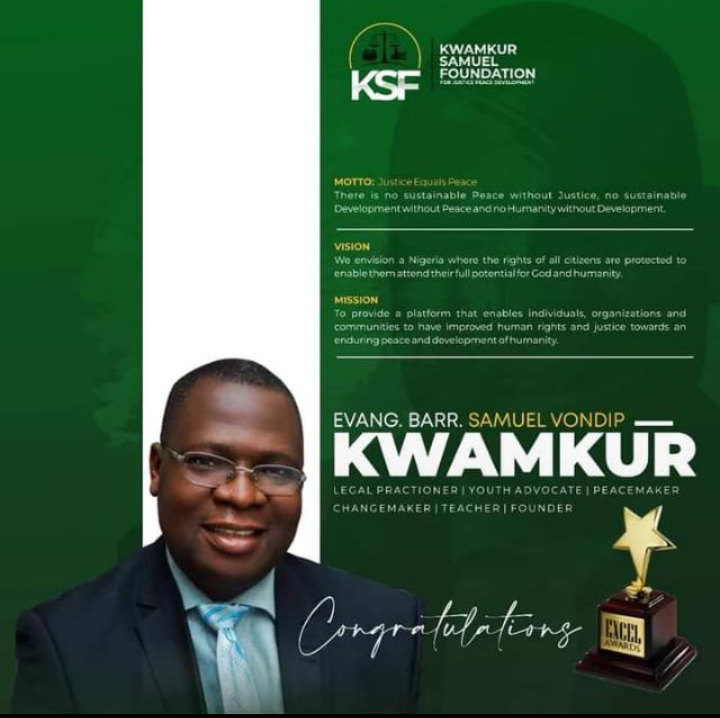
On his part,Barrister Kwamkur Samuel Vondip, President of the Kwamkur Samuel Foundation,in his address of welcome at the event, thanked the attendees and highlighted the organization’s commitment to justice, peace, and development
He emphasized on three core activities such as : advocacy, education development, and empowerment/skill acquisition.
“The 2023 International Peace Day is Themed;” Actions for Peace; Our Ambition for the Global Goals.”
This theme is meant to spur Peace community, youth, critical stakeholders and indeed all peace lovers to take actions that will promote mutual respect, compassion and value for one another.
“We are to take actions that build reconciliation and understanding amongst our communities” He said.
“For our organization the KSF in Nigeria, we have decided to domesticate the theme with a Sub-Theme based on our peculiarity and present challenges.
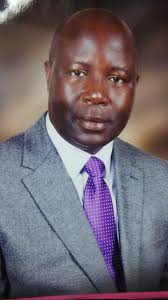
The Sub-Theme; “The Misrepresentation of Religion and Ethnicity as obstacle for achieving peace in Nigeria”, is apt.While other nations struggles with Natural disasters and climate change as major challenge to Peace”
He also urged everyone present to take action in reducing the burdens faced by disadvantaged individuals, emphasizing that “If you cannot reduce their burden, do not add to it.”
The foundation has ambitious goals to remove hundreds of identified beneficiaries from the challenges they face by 2030.
Furthermore, Barrister Vondip announced the foundation’s plans to establish a Justice Peace radio station, mentorship, and training centers to expand its advocacy efforts. He encouraged citizens to use the radio and social media programs to voice their opinions and advocate for a better society and governance.
The keynote speaker, Professor Shedrack Gaya provided a thought-provoking perspective on ethnicity and religion. . He delved into the historical context of identity and the role it has played in human history. He pointed out that identities, whether based on ethnicity or religion, have often been used to differentiate individuals and communities.
Prof. Gaya explained that ethnicity is rooted in shared cultural traits, ancestry, historical experiences, and myths of descent. Similarly, religion serves as a powerful identity, but its role in conflicts and violence has been a subject of debate. He highlighted that religion can lead to conflicts when it becomes a basis for political, economic, or territorial competition.
In the context of Africa, Prof. Gaya Best touched on ethnic conflicts and their historical background, including conflicts related to state-building and ideological conflicts during the Cold War era, pointing out that Nigeria, with its diverse ethnic and religious landscape, faces unique challenges related to ethnicity and religion.
He stressed that Nigeria has 374 ethnic groups, over 500 languages, and two dominant religions, making competition for resources based on ethnicity and religion prevalent.
He highlighted the influence of religious and ethnic boundaries on the dynamics of conflict and peace in different regions of Nigeria.
Prof. Gaya also acknowledged that religion and ethnicity are not inherently divisive but are often exploited by selfish interests and politicians seeking to divide communities for their gain.
Professor Best emphasized on the need for the state to play a moderating role in promoting unity and discouraging divisive narratives.
Earlier Director of cooperate planning, Industrial Training Fund ,Mr. Abimbola James who represented the Director General of the Industrial Training Fund (ITF) at the event, highlighted the connection between peace and employment saying “without peace, the acquisition of skills and education becomes challenging, leading to increased unemployment rates and hindering the nation’s growth”
He further stated that a nation’s greatness is measured by the level of poverty, emphasizing the importance of reducing poverty rates to improve the overall well-being of the country.
Similarly,Secretary to the Government of Plateau State, Samuel Nanchang Jatau who represented the Governor of Plateau State, Barr. Caleb Mutfwang at the event, commended the Kwamkur Samuel Foundation for its efforts in promoting peace and unity in the state and urged all Nigerians to resist attempts to divide communities along religious and ethnic lines.
Also Mustapha Umar, Galadima of Wase,who represented His Eminence, the Sultan of Sokoto at the event, emphasized on the need for Nigerians to embrace diversity and promote love and unity.
He highlighted religion and ethnicity as elements that should unite people rather than divide them.
The event also saw the unveiling of the maiden advocacy magazine titled “Justice-Peace
.”
The magazine contains a summary of the foundation’s work since its inception in 2003 and addresses various challenges faced in society.
It serves as a platform for individuals to understand the foundation’s vision better, contribute resources, partner with the organization, or find inspiration for their own initiatives.
 Oracle Reporters